A window into
how we age
Researchers use stem cells to study human ageing and investigate how cells change over time. Better models can help researchers ask better questions.
RESEARCH TOOLThe ability to renew. The possibility of repair. Discover why stem cells are opening new conversations about medicine—and the way we age.
Can stem cells make us younger?
Whole-body rejuvenation is not an established benefit of stem cell treatment. Discover what the science does—and does not—support.
 REAL LABORATORY PHOTOGRAPH
Stem cells can make more of themselves and give rise to specialised cells. That makes them valuable tools for understanding the body—and developing new approaches to disease.
Different stem cells have different abilities. They are not interchangeable, and a cell’s potential in a laboratory does not establish a treatment’s benefit in a person.
Read the NIH introduction ↗The appeal is real. Understanding where each benefit stands makes the story more meaningful.
Researchers use stem cells to study human ageing and investigate how cells change over time. Better models can help researchers ask better questions.
RESEARCH TOOLRegenerative medicine explores restoring or replacing damaged cells and tissues. Stem cell approaches are one part of this wider field.
VARIES BY APPLICATIONBlood-forming stem cell transplantation is established care for selected blood cancers and blood or immune disorders. Eligibility depends on the condition and clinical assessment.
ESTABLISHED IN SPECIFIC USESA benefit demonstrated for one cell product and condition cannot be assumed for another. Approval and availability vary by country.
These are compelling goals. Tap a topic to explore the question without mistaking an aspiration for a proven benefit.
Stem cells help scientists investigate ageing biology. Studying cells in a lab is different from showing that an intervention makes a person younger.
An “age reversal” claim needs direct, reliable human evidence—not just a laboratory result.
A photograph, testimonial or cosmetic product’s “stem cell” label does not establish that a procedure reverses ageing.
Ask what the exact product is, what human evidence supports the specific claim, and what risks it carries.
Evidence depends on the tissue, diagnosis, cell product and procedure. A general promise to “regenerate your body” leaves those questions unanswered.
Discuss the exact indication and local approval status with a qualified, independent clinician.
“Regenerative” describes an approach to medicine. It is not a guarantee of safety or results.
Some stem cell treatments have established uses for defined diseases. That does not validate unrelated anti-ageing packages.
A clinical trial investigates a treatment. Trial registration alone is not proof of efficacy or regulatory approval.
Take a simple question list into a conversation with an independent medical professional.
No signup. No health information requested.
Whole-body rejuvenation is not an established clinical benefit. Be cautious with guaranteed “reverse ageing” claims, before-and-after photos and promises of many unrelated benefits from one procedure.
No. Cell types differ in origin and capabilities. “Stem cell therapy” is not a single, interchangeable treatment. Evidence must match the actual product and intended use.
No. A listing does not demonstrate benefit or substitute for appropriate regulatory and ethics oversight. Ask your clinician to review the trial and its evidence.
This is an independent educational page. It does not provide treatment, determine eligibility or refer visitors to a clinic.
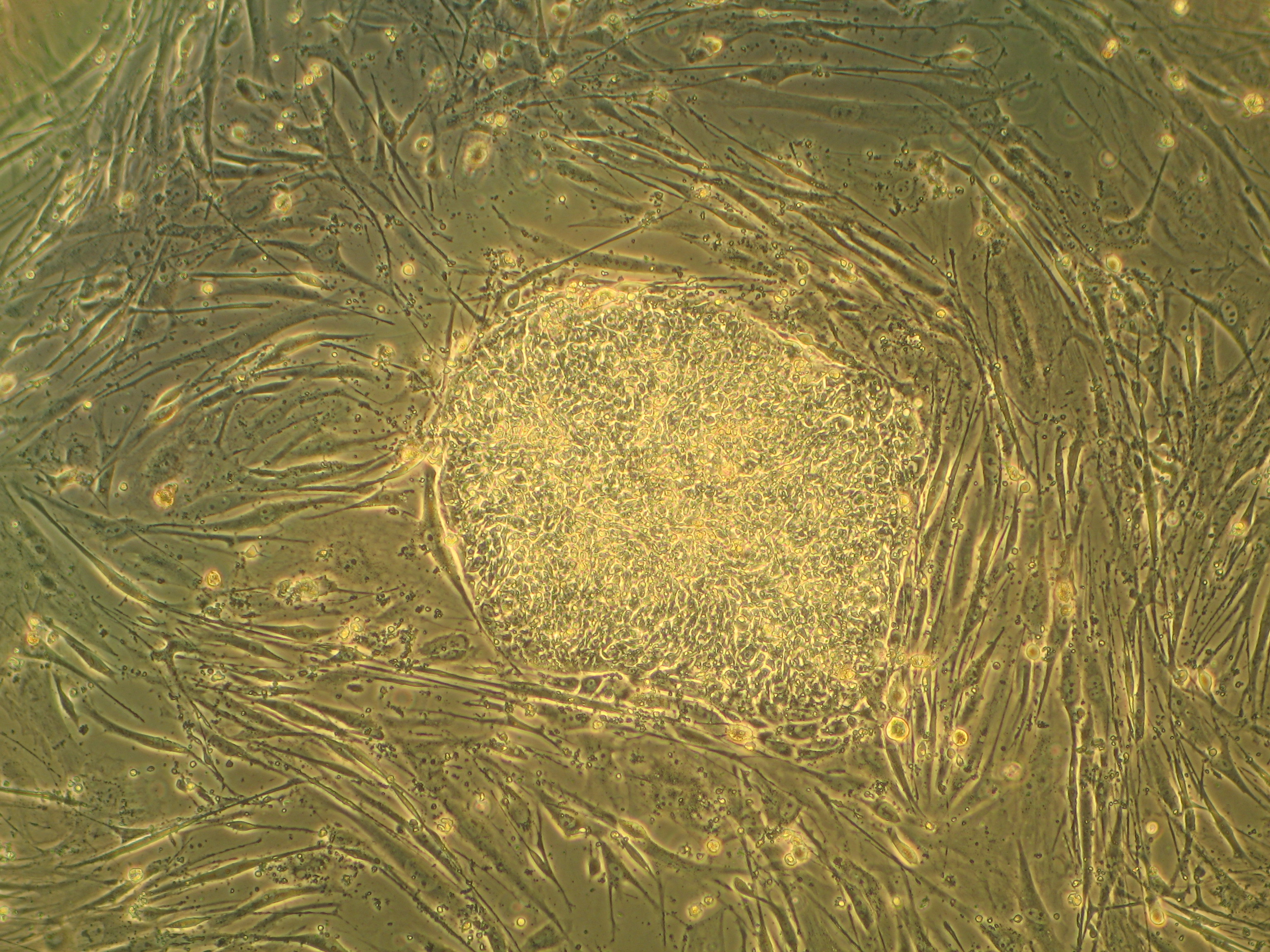
Yes. The page uses an actual laboratory photograph and an actual microscope image, with credits and source links. The laboratory photo illustrates research context and does not depict a stem cell treatment. Neither image demonstrates rejuvenation or a patient outcome.
No forms, analytics or cookies are included. Checklist selections stay in page memory and reset on reload. Images load from Unsplash and Wikimedia, which receive normal web requests under their own privacy policies. External links and hosting providers may also keep access logs.
Photo credits & reuse: Laboratory photo: Cpl. Genesis Gomez / Navy Medicine, source, Unsplash License. Microscope image: Ryddragyn, source and public-domain declaration. Images are responsively cropped, without AI alteration. No endorsement by photographers, pictured individuals or cited organisations is implied.